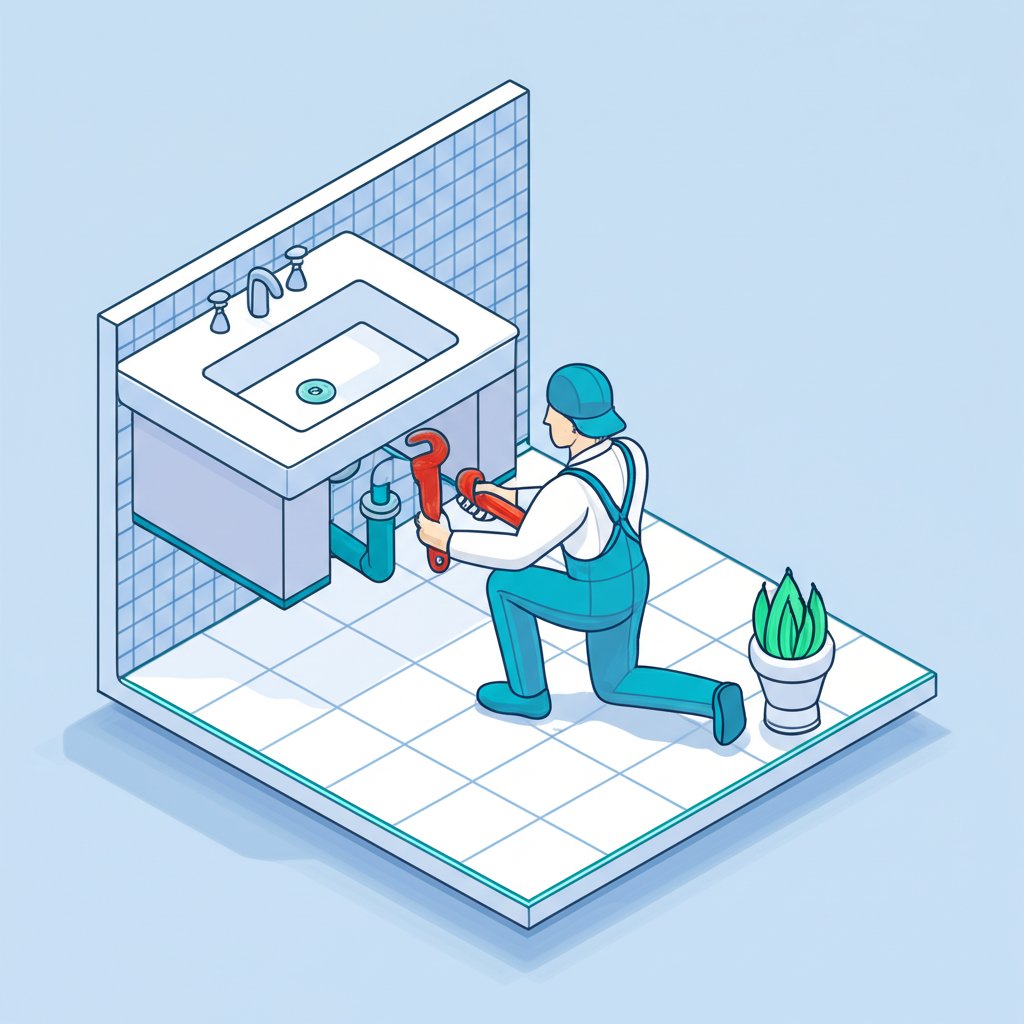
When a leaky faucet turns into an indoor deluge, or a mysterious gurgle from your drains threatens to disrupt your day, finding the Best Plumber in Mountain Brook isn't just about a quick fix – it's about peace of mind. It’s about trust, expertise, and knowing that your home, often your most significant investment, is in capable hands. Mountain Brook homes, with their unique character and sometimes older infrastructure, demand a plumbing professional who understands both modern solutions and historical nuances. This guide cuts through the noise to help you find that indispensable expert, transforming plumbing worries into seamless solutions.
At a Glance: Your Quick Plumbing Action Plan
- Don't panic, but act fast: Especially with leaks. Shut off your main water supply if a leak is significant.
- Know when to DIY vs. call a pro: Simple clogs? Try it. Recurring issues, burst pipes, water heater trouble? Call an expert.
- Prioritize licensing & insurance: Non-negotiable for any plumber you hire.
- Seek local experience: A plumber familiar with Mountain Brook homes often brings invaluable insight.
- Get multiple quotes: Don't settle for the first estimate; compare at least three.
- Ask about warranties: A reputable plumber stands behind their work.
- Consider annual inspections: They catch small problems before they become costly emergencies.
The Mountain Brook Standard: Why "Best" Means More Than Just a Wrench
In a community like Mountain Brook, where property values are high and homes often boast custom features, the quality of your plumbing service isn't a luxury – it's a necessity. A shoddy repair can lead to extensive water damage, mold growth, and a cascade of expensive problems that far outweigh the initial savings from a cheap fix. The "best" plumber here isn't just skilled; they're reliable, transparent, and respectful of your home and schedule. They understand that a plumbing emergency isn't just an inconvenience; it's a disruption to your life.
When to Call for Backup: Recognizing Your Plumbing SOS
While a plunger can be a homeowner's best friend, there are clear lines where DIY ends and professional intervention begins. Knowing these boundaries can save you time, money, and potentially severe damage to your home.
The Clear Signals: Time to Call a Pro
You might be handy, but some plumbing problems require a licensed professional's touch. These are the scenarios where you should put down the wrench and pick up the phone:
- Persistent or Recurring Clogs: If your drain cleaner isn't working, or clogs keep coming back in the same drain or multiple drains, you likely have a deeper issue. This could indicate a blockage further down the line, perhaps even in your main sewer line, requiring specialized equipment like drain snakes or hydro-jetting.
- Leaking or Burst Pipes: A drip can become a deluge. If you have a visible pipe leak, or worse, a burst pipe, immediate professional help is critical. Water damage spreads rapidly, potentially leading to structural issues and mold.
- Quick Tip: Immediately locate and shut off your main water supply valve to minimize damage. After the plumber is en route, contact your insurance company. Home insurance generally covers accidental water damage from sudden incidents like burst pipes, which can include the cost of repairing the pipe, drywall, wood floors, or damaged possessions.
- No Hot Water or Malfunctioning Water Heater: A sudden cold shower is no fun. If your water heater is leaking, making strange noises, or simply not producing hot water, it needs attention. Many licensed plumbers are also qualified to inspect and repair water heaters, especially if the unit is older than 8–12 years.
- Gas Leaks: If you smell gas, evacuate immediately and call your gas company and then a plumber certified in gas line repair. This is a severe safety hazard that absolutely requires professional expertise.
- Low Water Pressure: A sudden drop in water pressure throughout your home can indicate a significant problem, such as a hidden leak, mineral buildup in pipes, or issues with your water main.
- Sewer Backups: Raw sewage backing up into your sinks, toilets, or tubs is a serious health hazard and a clear sign of a main sewer line blockage. This requires immediate professional intervention.
- New Fixture Installation: While you might install a new showerhead, complex installations like new toilets, sinks, or entire shower units are best left to professionals to ensure proper sealing, connections, and compliance with local codes. For instance, the standard size for bathroom sink stoppers today is 1.5 inches, though other sizes from 1 inch to 2.5 inches are available – a plumber ensures the right fit and function.
- Annual Inspections: Proactive maintenance is always smarter than reactive repairs. Annual plumbing inspections can uncover minor issues before they escalate into major, expensive problems, ultimately minimizing long-term maintenance costs.
When You Can DIY (Proceed with Caution!)
For minor, isolated incidents, you might be able to handle things yourself. These include:
- Simple Drain Clogs: A plunger or a mild drain cleaner can often resolve a single, slow-draining sink or tub.
- Running Toilets: Often, this is due to a faulty flapper or fill valve, which can be relatively straightforward to replace with parts from a hardware store.
- Dripping Faucets: Replacing a worn-out washer or O-ring in a standard faucet can be a simple fix.
However, if these issues recur or if you can't determine the cause, it's always best to call a professional. Don't let a "simple" DIY turn into a costly mistake.
Decoding Common Plumbing Headaches & Their Mountain Brook Costs
Understanding typical plumbing issues and their associated costs can help you budget and make informed decisions when hiring a plumber in Mountain Brook.
The Silent Threats: Leaks and Their Consequences
Leaks are more than just annoying drips; they're silent destroyers of homes and budgets.
- Toilet Leaks: A constantly running toilet wastes gallons of water per day, leading to significantly higher water bills. Beyond the cost, prolonged toilet leaks can cause water damage to your subfloor, encourage hazardous mold growth, and create slippery conditions that pose a fall risk. These must be addressed immediately.
- Outdoor Faucet Leaks: Often overlooked, outdoor faucets (hose bibs) can leak from the handle, spout, or even where they connect to your home's exterior. You should replace an outdoor faucet if it shows signs of a persistent drip that won't stop, significant lime buildup, damage to the siding or wall behind it, or if the faucet starts to detach from the wall. Ignoring these can lead to water damage within your walls, especially as temperatures fluctuate.
Average Repair Costs in Mountain Brook
Plumbing repair costs can vary widely based on the specific issue, the parts required, and the plumber's hourly rate. In Mountain Brook, you can generally expect basic plumbing repairs to range between $99 to $329. This range typically covers common tasks like fixing a leaky faucet, clearing a minor drain clog, or repairing a running toilet.
- Emergency Services: For urgent issues outside of normal business hours—think evenings, weekends, or holidays—plumbers almost universally offer 24/7 emergency services. Be prepared for an additional charge, often around 1.5 times the normal rate. While this might seem steep, the cost of delaying a critical repair, especially a burst pipe or severe leak, can be exponentially higher due to widespread water damage.
Beyond Repairs: Comprehensive Plumbing Services
The best plumbers offer a full spectrum of services to keep your home's plumbing system in peak condition:
- Leak Repair: From hidden pipe leaks to visible fixture drips.
- Clog Removal: Tackling everything from simple drain clogs to complex sewer line blockages.
- Pipe Replacement & Repair: Updating old, corroded pipes or fixing damaged sections.
- Fixture Installation: Expert installation of new toilets, sinks, showers, bathtubs, and faucets.
- Gas Line Repair & Installation: Essential for kitchens, water heaters, and fireplaces.
- Water Heater Services: Repair, replacement, and installation of traditional and tankless units.
- Water Filtration Systems: Installation and maintenance for improved water quality.
- Annual Plumbing Inspections: Proactive check-ups to identify potential issues before they become emergencies.
The Ultimate Checklist: How to Choose the Best Plumber in Mountain Brook
Finding the right plumber is about more than just finding someone available. It requires a bit of research and due diligence to ensure you're hiring a competent, trustworthy, and reliable professional.
1. License and Insurance: Non-Negotiable Foundations
This is the absolute first step. Never hire a plumber who isn't properly licensed and insured.
- Licensing: A valid plumbing license ensures the individual has met specific training, testing, and experience requirements set by the state or local municipality. It signifies a certain level of competency and adherence to industry standards. Ask for their license number and verify it with the appropriate state board (e.g., Alabama Plumbers & Gas Fitters Examining Board).
- Insurance: A plumber should carry both liability insurance and worker's compensation insurance.
- Liability Insurance protects you in case the plumber accidentally causes damage to your home while working.
- Worker's Compensation protects you from being liable if the plumber or one of their employees gets injured on your property.
- Don't just take their word for it; ask for proof of insurance. Reputable companies will gladly provide this.
2. Experience and Local Track Record: Mountain Brook Specifics Matter
Experience translates to efficiency and effective problem-solving.
- Years in Business: Look for plumbers who have been serving the Mountain Brook area for several years. Longevity often indicates a stable business with a proven track record.
- Local Knowledge: Plumbers familiar with Mountain Brook homes often understand common issues specific to the area, whether it's dealing with older pipe materials, specific water pressure challenges, or unique drainage systems. Their local expertise can lead to faster, more accurate diagnoses and repairs.
- Specializations: If you have a specific, complex issue (e.g., septic system, historic home plumbing), inquire if they have specialized experience in that area.
3. Customer Reviews and References: What Others Say
In today's digital age, online reviews are invaluable.
- Online Platforms: Check Google Reviews, Yelp, Angie's List, and the Better Business Bureau. Look for consistent patterns in feedback. Are customers praising their punctuality, professionalism, fair pricing, and quality of work?
- Specific Feedback: Pay attention to reviews that mention how the plumber handled emergencies, explained the problem, or cleaned up after the job.
- Red Flags: Be wary of companies with an overwhelming number of negative reviews, or suspiciously few reviews for a long-standing business. Also, note how the company responds to negative feedback; a professional response can be a good sign.
- Ask for References: For larger projects, don't hesitate to ask for references from past clients.
4. Transparent Pricing and Multiple Quotes: Avoid Sticker Shock
A clear understanding of costs upfront is crucial.
- Get at Least Three Quotes: Contact at least three different plumbing companies for an estimate. This helps you compare pricing, proposed solutions, and customer service.
- Itemized Estimates: Ask for a detailed, written estimate that itemizes parts, labor, and any potential additional fees (like emergency service charges). A vague estimate can lead to hidden costs.
- Hourly vs. Flat Rate: Understand how they charge. Some plumbers charge by the hour, while others offer a flat rate for specific jobs. Flat rates can sometimes provide more cost predictability for the homeowner.
- No Pressure Tactics: Be wary of plumbers who pressure you into immediate decisions or demand upfront payment for the entire job. A deposit for materials might be reasonable for larger projects, but full payment should only occur upon satisfactory completion.
5. Warranties and Guarantees: Assurance for Your Investment
A reputable plumber stands behind their work.
- Workmanship Warranty: Inquire about their warranty on labor. How long is the repair guaranteed? What does it cover?
- Parts Warranty: Also, ask about the warranty on any installed parts or fixtures.
- Satisfaction Guarantee: Some companies offer a satisfaction guarantee, providing an added layer of confidence.
6. Emergency Services: Are They There When You Need Them Most?
Plumbing emergencies don't wait for business hours.
- 24/7 Availability: Confirm they offer emergency services. Nearly all plumbers offer 24/7 emergency services outside of normal business hours, such as evenings, with an added fee.
- Response Time: Ask about their typical response time for emergencies in Mountain Brook.
- Emergency Rates: Understand their emergency service pricing structure upfront so you're not surprised during a stressful situation.
7. Communication and Professionalism: A Smooth Experience
Good communication can make a stressful situation much easier.
- Clear Explanations: Does the plumber explain the problem in terms you understand? Do they clearly outline the solution and your options?
- Punctuality: Do they show up on time for appointments, or at least communicate if they're running late?
- Tidiness: Do they protect your home and clean up after themselves? A good plumber will leave your home as tidy as they found it, if not cleaner.
Union vs. Independent Plumbers: A Quick Comparison
When choosing, you might encounter both unionized plumbers and independent contractors or companies.
- Union Plumbers: Often undergo rigorous apprenticeship programs and continuous training. They typically have a strong understanding of best practices and safety standards. However, their services may come at a higher cost due to collective bargaining agreements and the overhead of training programs.
- Independent Plumbers/Companies: Can sometimes offer more competitive pricing due to lower overheads. Their quality can vary more widely, so thorough vetting of their experience, licenses, and reviews becomes even more crucial.
Ultimately, whether union or independent, focus on the individual plumber's credentials, experience, and reputation.
Beyond the Fix: Proactive Plumbing for Mountain Brook Homes
The best way to deal with plumbing problems is to prevent them. Incorporating regular maintenance and smart habits can significantly reduce your risk of unexpected issues.
The Value of Annual Plumbing Inspections
Think of a plumbing inspection like a health check-up for your home's vital systems. A professional plumber will:
- Check for Leaks: Inspect all visible pipes, fixtures, and appliances for drips or signs of moisture.
- Assess Water Heater Performance: Examine for sediment buildup, anode rod condition, and overall efficiency, which can extend the life of the unit and save on energy bills.
- Test Water Pressure: Ensure it's within a healthy range for your home, preventing stress on pipes and fixtures.
- Inspect Drains and Vents: Look for signs of slow drainage or blockages.
- Examine Sump Pump (if applicable): Ensure it's functioning correctly to prevent basement flooding.
- Assess Outdoor Plumbing: Check hose bibs and irrigation systems for winterization needs or leaks.
These inspections help find problems before they become emergencies, minimizing severe damage and keeping your long-term maintenance costs down. It’s an investment in your home’s longevity and your peace of mind.
Simple Habits for a Healthier Plumbing System
- Watch What You Flush/Pour: Only human waste and toilet paper should go down the toilet. Grease, coffee grounds, hair, and non-flushable wipes are major culprits for clogs in sinks and drains.
- Use Drain Screens: Install screens in sinks and showers to catch hair and debris before they enter your pipes.
- Know Your Main Water Shut-Off: In an emergency, quickly shutting off the water can prevent catastrophic damage. Make sure everyone in your household knows where it is and how to operate it.
- Insulate Pipes: Especially pipes in unheated areas (crawl spaces, basements), to prevent freezing and bursting during cold snaps.
- Don't Overtighten: When doing minor repairs or turning off valves, avoid overtightening. This can damage threads and create new leaks.
Tipping Your Plumber: The Etiquette Question
The question of whether to tip a plumber often arises. Here's the rundown:
- Not Obligatory: Tipping plumbers is generally not required or expected. Their service fees already cover their labor and company overhead.
- When to Consider It: If a plumber goes above and beyond—for instance, they come out late at night for an emergency, resolve a particularly difficult or messy problem efficiently, or provide exceptional service and advice—a tip is a thoughtful gesture.
- Check Company Policy: If you do decide to tip, it's a good idea to discreetly ask if the company's policy allows technicians to accept tips. Some companies have rules against it.
- Amount: If you choose to tip, a common amount is 10-20% for excellent service, or a flat amount like $10-$20 for a smaller job, or $50-$100 for a large, complex project.
Even if you don't tip, a sincere thank you, a positive online review, or a referral to friends and family are always highly valued and appreciated.
Your Next Steps for a Stress-Free Plumbing Experience
Navigating plumbing issues in your Mountain Brook home doesn't have to be a source of constant stress. By taking a proactive approach and knowing how to select a qualified professional, you empower yourself to handle any plumbing challenge with confidence.
Here's how to move forward:
- Identify Your Need: Clearly define the plumbing issue, or decide if it's time for a preventative annual inspection.
- Gather Information: Have details ready for potential plumbers: what's happening, when it started, and any symptoms you've observed. For Mountain Brook residents, also be ready to mention the age of your home if it's a factor.
- Start Your Search: Use the criteria outlined above—licensing, insurance, local experience, reviews—to compile a shortlist of at least three potential plumbers.
- Get Quotes and Ask Questions: Don't hesitate to ask specific questions about their process, their warranty, and any potential hidden costs. A good plumber will appreciate your thoroughness.
- Schedule Service: Once you've chosen the best fit for your needs and budget, schedule the service.
- Maintain Your System: After the repair or inspection, adopt good plumbing habits and consider scheduling annual check-ups to keep your home's water systems running smoothly for years to come.
Remember, the best plumber in Mountain Brook isn't just someone who fixes a pipe; it's a partner in maintaining the comfort, safety, and value of your home. Choose wisely, and enjoy the peace of mind that comes with a well-maintained plumbing system.